
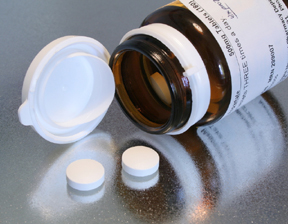
 Taking medication for different aliments is essential to the treatment of any problems you may be having. However, prescription drugs are expensive and having to purchase many medications can be draining on your wallet over time. Luckily, there are some solutions and ways for you to save money of your prescription medication. Follow the steps below to learn how to save money on prescription drugs.
Buy generic
Almost every medication on the market has a generic equivalent. These generic medications are just as effective and much more cost effective. When you doctor prescribes a medication to you, ask if generic is an option.
Become a smart shopper
Instead of getting your prescriptions from the pharmacy that is most convenient, study the prices of various pharmacies to see which place will save you money on your medication.
Have an open relationship with your doctor
Before buying expensive prescription drugs, speak with your doctor about your medical problems. You may find out about another, cheaper medication, or that you don’t need medication at all.
Get insurance
There are several different insurance companies that are willing to cover your medication expensive to some extent. Find the insurance companies for which you are eligible and see how much money you can save on prescription drugs.
Get a discount card
Most pharmacies have different cards that can be used in the stores that give discounts on prescription drugs, offer coupons or help you to earn points that can go towards future prescription drug prices.
Monitor your interest rate
If you have a high rate, ask your credit card company for a lower one. If your credit card company declines your request for a lower rate, consider transferring the balance to another credit card company. Also, consider consolidating your debt to a single card. Credit card companies may forgive and remove one late payment within a 6- or 12-month span. However, this is not an automatic service. You must call the credit card company to ask that the late fee be eliminated.
Avoid late fees
Mail your payment no less than five business days before it’s due. In fact, in some cases try to send your payment no less than six or seven days prior to when it’s due because some payments are considered late if received after a certain time of day (e.g., 1:00 p.m.) on the day it’s due. Avoid cash advances on your bank credit card. The interest rate may not make it a feasible choice. Considering the poor economic trends, you may want to apply for credit card insurance to cover periods when you are unemployed. If unable to make your payment, contact your credit card company to suspend your payments voluntarily for three months.
Remember that if you are trying to cut costs on medication by ordering medication from different countries, you may not be choosing the safest option. These medications are not always approved or checked by the government and can be dangerous to your health.
Today, it’s common for the average person to owe $10,000 or more in credit card debt. Even if you owe as little as $100 on a credit card, you should always pay more than the required minimum payment. Try to double your payments wherever possible or pay at least 25 percent more than required. For example, if your required minimum is $20, try to send $40 or no less than $25.
Additionally, besides following the above mentioned steps, remember to make sure that you need the medication before you begin taking it. If there is a chance that you don’t need the medicine, or can reduce the amount of medication you take, you can save money over time.